
The Importance of Spatial Planning in Home Renovation and Extensions Projects
The Importance of Spatial Planning in Home Renovation and Extensions Projects
When it comes to home renovation or extension projects, one factor makes all the difference between a good result and a great one — spatial planning. Thoughtful design ensures every inch of your home works efficiently, looks beautiful, and enhances how you live every day.
Whether you are adding a kitchen extension, reconfiguring rooms, or opening up your living spaces, careful planning at the start will save you time, money, and frustration later.
Designing Spaces That Work for You
Every home and homeowner is unique. Good spatial planning begins by understanding your lifestyle and how you use your space. Do you love to entertain? Need quiet areas to work from home? Or crave more storage and better flow?
On our recent Dalkey, Co. Dublin project, we used a ground-floor rear extension to create a large open-plan kitchen, dining, and living space designed around the client’s daily routine. We also transformed the unused understairs area into a clever multi-functional space — with built-in storage, hanging space, and a stylish seating nook that adds both practicality and charm. To see more of our Dalkey project, check out our Dalkey Portfolio https://www.placelift.ie/house-reconfiguration-extension-dalkey-co-dublin
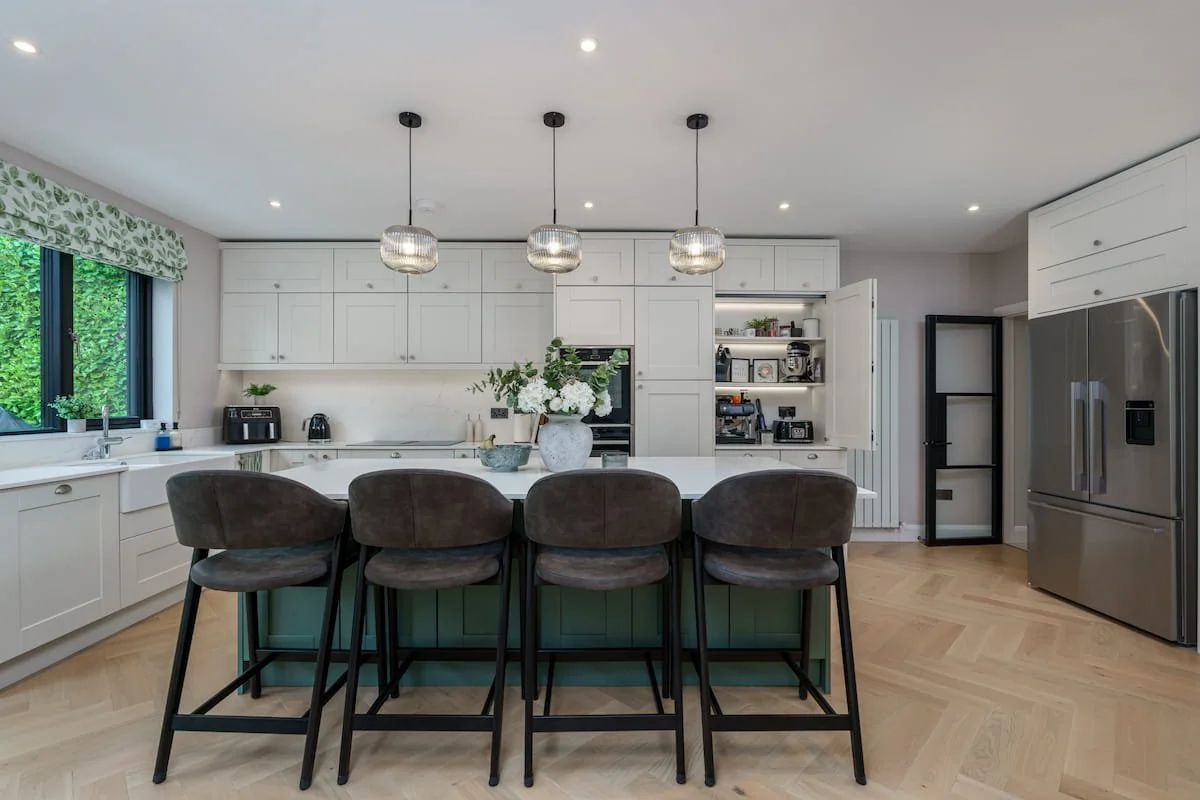
Open Plan Kitchen, Dalkey, Co Dublin Photo Credit Abdone Studio
Improving Flow and Connectivity
A well-planned layout improves the flow between spaces, making your home feel open, connected, and easy to live in. By aligning key rooms — such as the kitchen, dining, and living areas — movement becomes effortless, and family life feels more natural.
In our Bray reconfiguration project, we rethought the layout to create a cohesive open-plan space. The result? A home that feels brighter, more welcoming, and perfectly balanced between function and comfort.
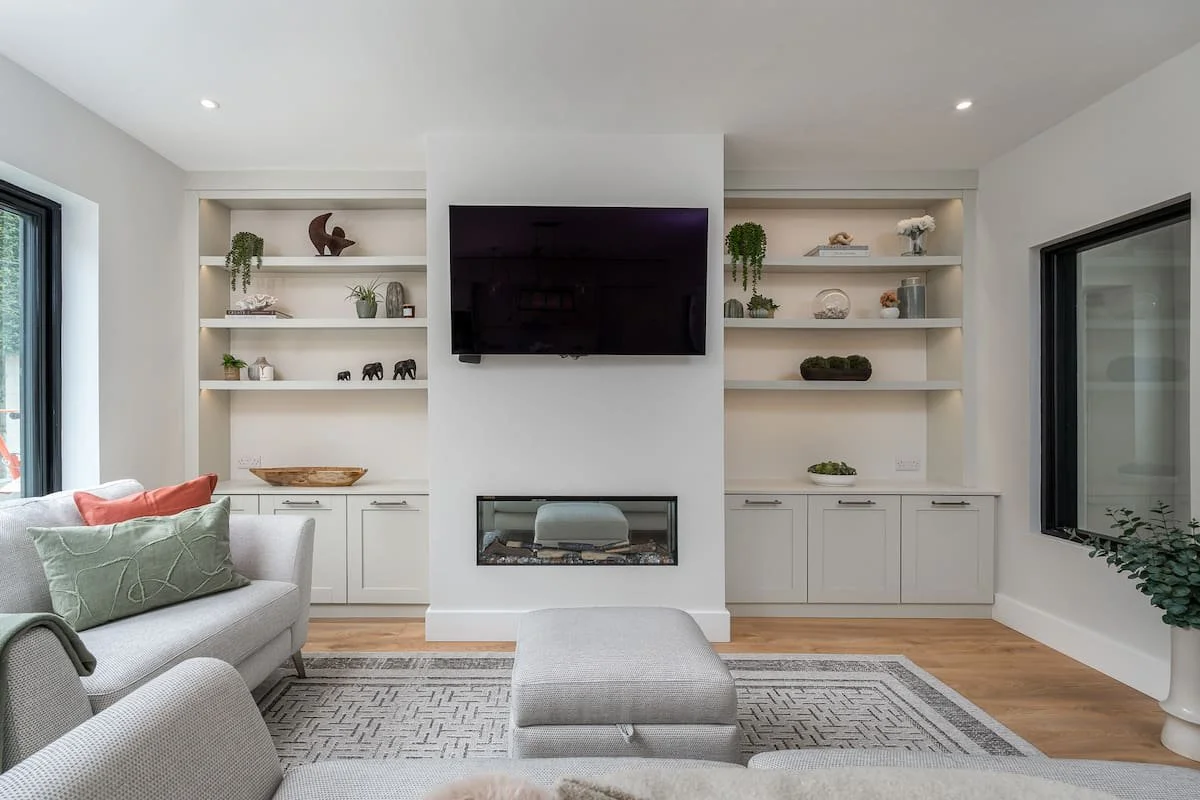
Bray, Co Wicklow Opel Plan Living Room Photo Credit Abdone Studio
Maximizing Natural Light and Views
Light can completely transform how a home feels. Smart spatial planning considers window placement, door positioning, and sightlines to make the most of natural light and garden views.
By optimizing these elements, we create rooms that are not only energy-efficient but also uplifting and calm — connecting your home’s interior with the outdoors for a sense of space and harmony.
Creating Flexible, Multi-Functional Rooms
Modern living demands flexibility. Spatial planning helps design multi-purpose spaces that can adapt to your changing needs — from home offices and guest rooms to family hubs and entertainment zones.

Understairs storage and bench seat. Photo Credit Abdone Studio
In our Bray, Co. Wicklow refurbishment, we worked within the home’s original footprint to create two dedicated work-from-home areas. The former garage became a bright home office, while a cosy snug doubles as both a second workspace and a relaxing TV room. See more from our Bray project here https://www.placelift.ie/house-reconfiguration-bray-co-wicklow

Bray, Co Wicklow Snug and home office spaces. Photo Credit Abdone Studio
Balancing Style and Function
Spatial planning is just as much about beauty as it is about function. By considering proportions, flow, and sightlines early in the process, you can achieve a harmonious aesthetic that feels naturally cohesive.
Our Delgany, Co. Wicklow project is a great example — we reconfigured the layout, adjusting doorways and openings to achieve visual balance and create a living room that’s both elegant and comfortable.

Living Room Delgany, Co Wicklow Photo Credit Abdone Studio
Plan Well, Live Better
Successful renovations do not happen by chance — they start with smart spatial planning. By focusing on functionality, flow, light, flexibility, and design harmony, you’ll create a home that’s not just beautiful, but a joy to live in every day.
Before you begin your next renovation or extension, take the time to plan your space thoughtfully — and you will unlock your home’s full potential. You may find our recent blog how to create your house renovation brief useful when considering the spatial planning aspects https://www.placelift.ie/blog/how-to-create-your-house-renovation-brief
If you would like to kick start your home renovation journey, get in touch for chat.
Frequently Asked Questions
1. What is spatial planning in home renovation?
Spatial planning is the process of analysing and designing how space is used within your home. It involves considering layout, flow, proportions, light, and function to ensure every area works efficiently and comfortably. Good spatial planning forms the foundation for a beautiful, practical renovation.
2. Why is spatial planning important before starting a renovation or extension?
Thoughtful spatial planning helps you make the most of your home’s footprint before any construction begins. It allows you to identify potential issues, optimise natural light and movement, and ensure your design meets your lifestyle needs — ultimately saving time, money, and stress during the build.
3. Can I do my own spatial planning, or should I hire a professional?
While you can sketch ideas yourself, working with an experienced designer or architect ensures your layout is both practical and compliant with building regulations. Professionals can also suggest creative solutions you may not have considered — maximising functionality, light, and aesthetic appeal.