
Designing Lighting for Your Home
Designing Lighting for Your Home
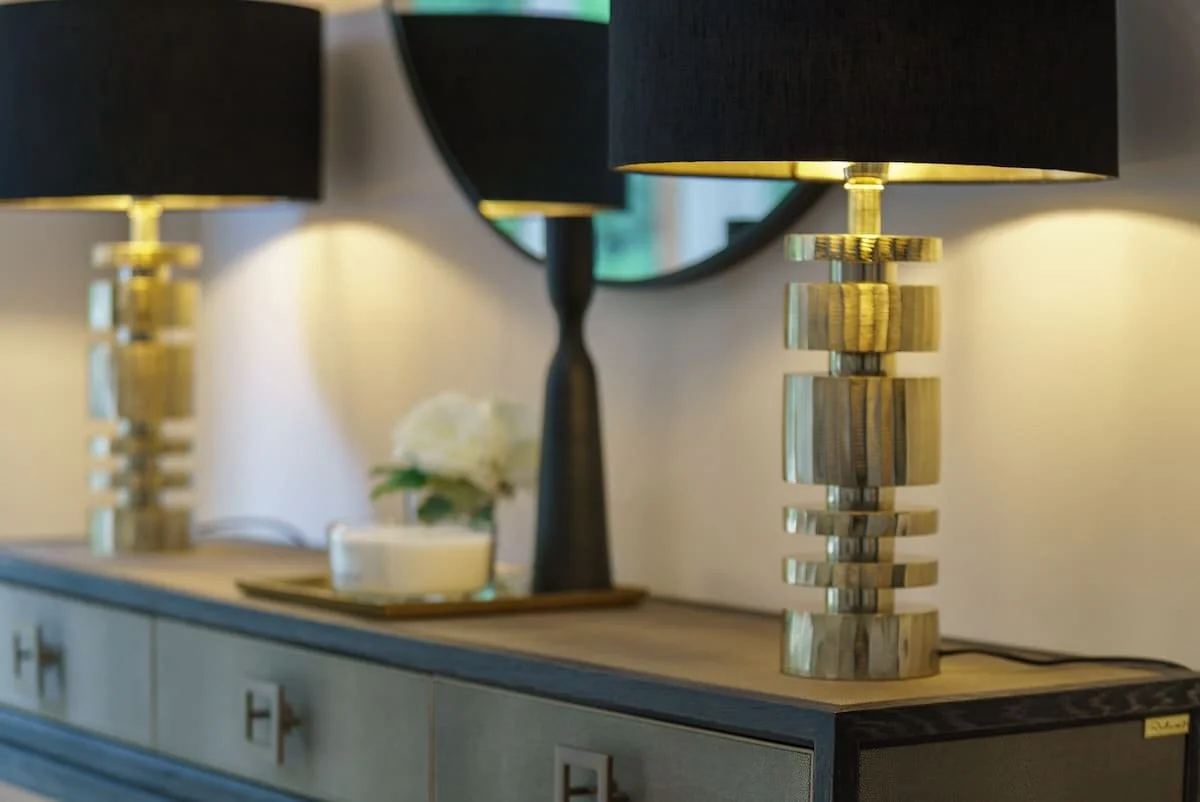
Good lighting is one of the most powerful design tools in any home. It can transform how a space looks, feels, and functions — yet it is often left until the end of a renovation.
In previous blogs, we have discussed the importance of planning — whether it is spatial layouts or designing your kitchen or bathroom. Lighting deserves that same careful thought. A well-considered lighting plan makes a world of difference to how you experience your home every day.
If you have just moved into a new property, are renovating, or simply updating your lighting, we hope you will find these insights helpful. Even when working with existing fixtures, a bit of strategic thinking can dramatically improve how your home is lit.
From the many renovations we have completed, one thing is clear — lighting should never be treated as as an afterthought. The homes that truly shine are those where lighting was carefully planned from the beginning, with both function and mood in mind.
Lighting affects how we live, work, and feel in our spaces. A poorly lit room can make even the most stylish design look flat, while an overlit one can feel harsh and clinical. The key is to find balance — layering light in a way that feels natural, warm, and inviting.
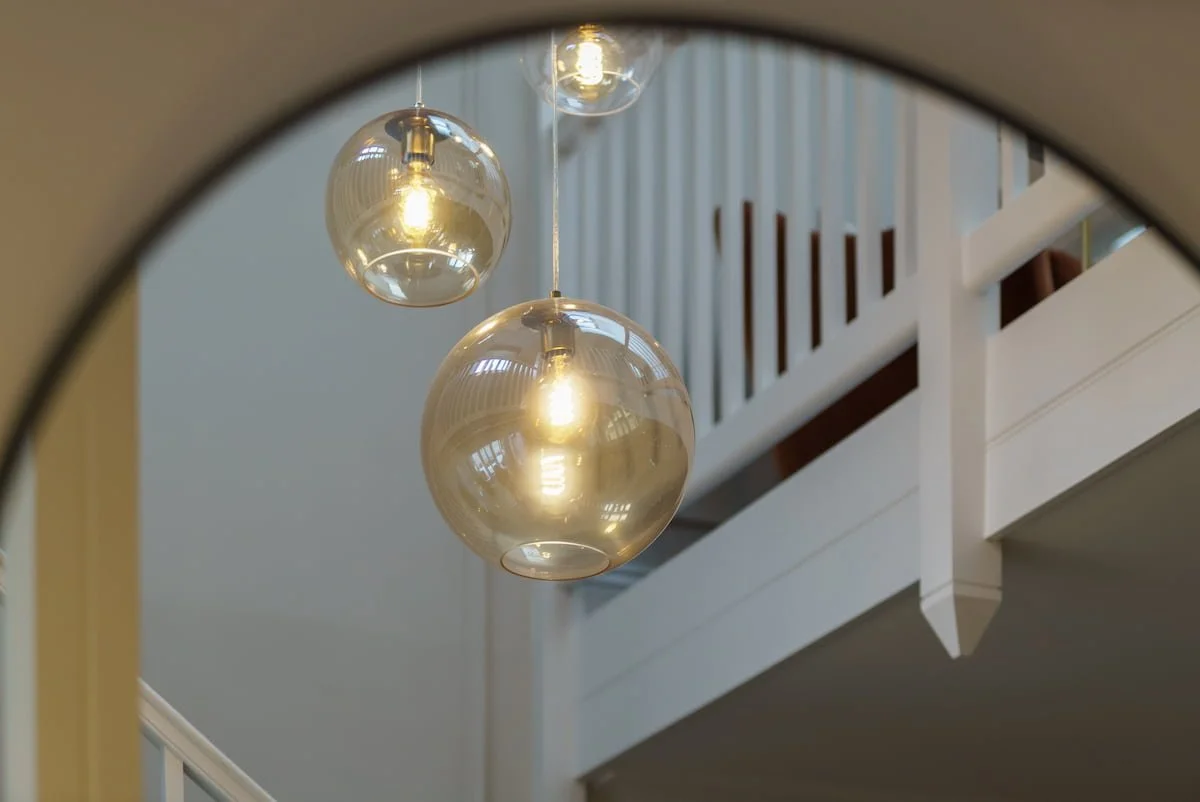
The Four Types of Lighting
A successful lighting plan combines different types of light, each serving a unique purpose:
1. Ambient Lighting
This is the base layer — the general illumination of a room. It sets the tone and ensures the space feels bright and comfortable. Think ceiling fixtures, wall lights, or reflected light that brightens walls and ceilings.
2. Task Lighting
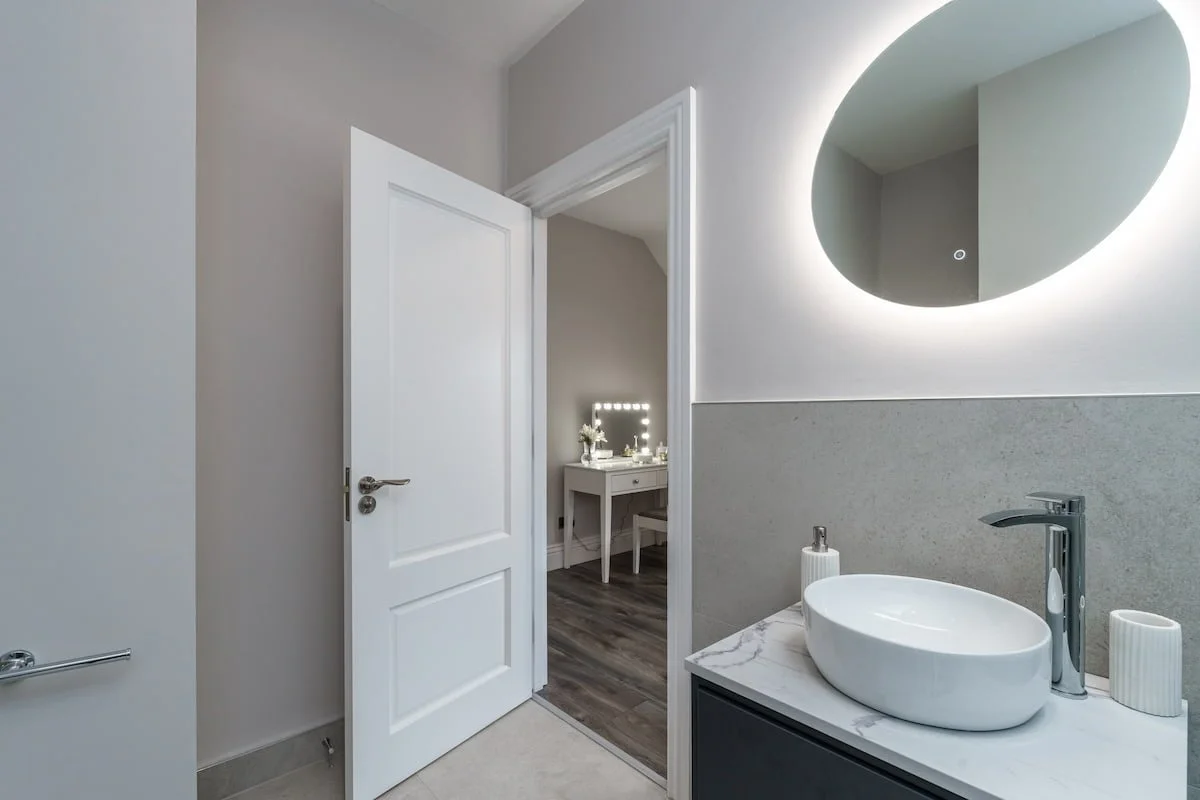
Task lighting supports specific activities. It’s essential over kitchen worktops, desks, or bathroom mirrors. Always begin your lighting plan with these practical needs in mind.
3. Accent Lighting
Accent lighting adds creativity and visual depth. Use it to draw attention to artwork, architectural details, or statement pieces. For example, lighting beside a large plant can cast beautiful shadows that add atmosphere.
4. Decorative Lighting
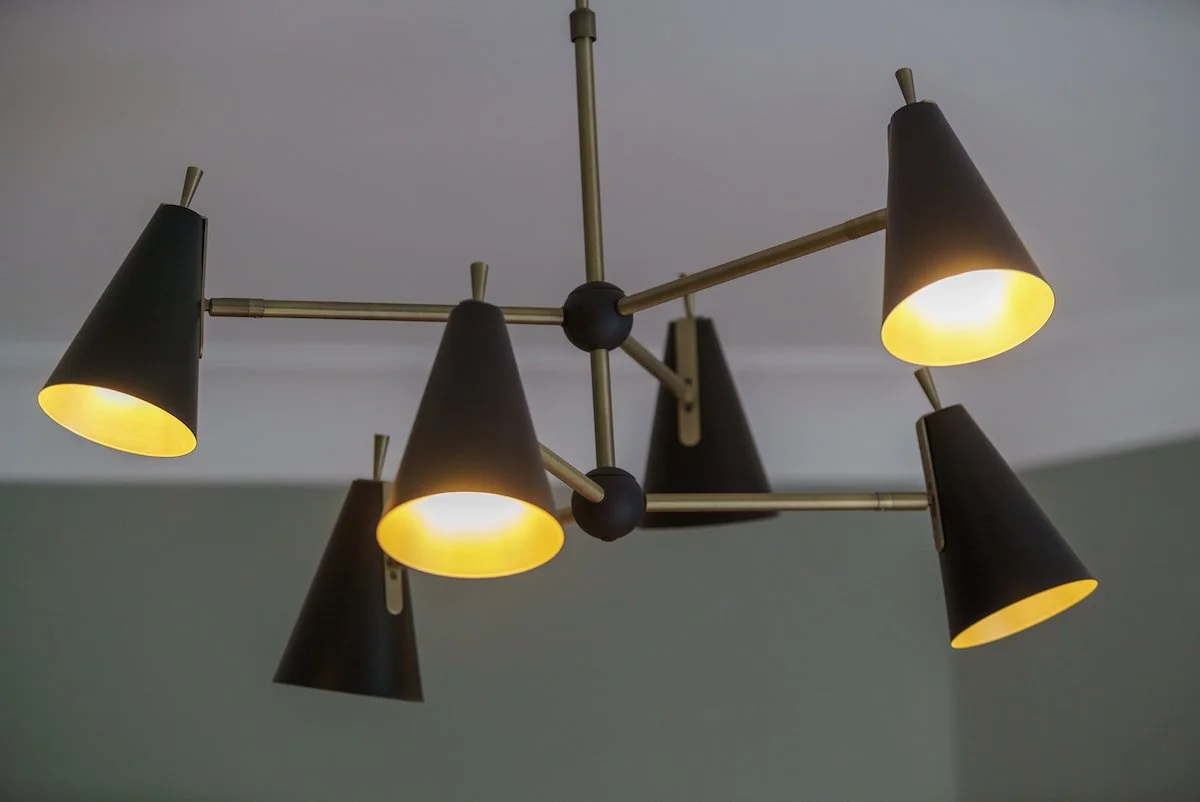
This is where form meets function — statement pendants, elegant chandeliers, or sculptural wall sconces that double as design features.
How to Create a Lighting Plan
There’s more to good lighting than a central pendant or a row of downlighters. Start by considering how each room is used, when it’s used, and who uses it. Then plan your lighting layers accordingly.
Simple steps to follow:
Sketch the layout of each room (graph paper helps, but isn’t essential).
Mark in windows, doors, fireplaces, and main furniture pieces.
Note where natural light comes from and how it changes throughout the day.
Identify where you’ll need task lighting and where you’d like softer, ambient light.
Think about ceiling height and fixture proportions.
Choose fittings that complement your home’s interior style.
Set a realistic budget — lighting options vary widely in cost and quality.
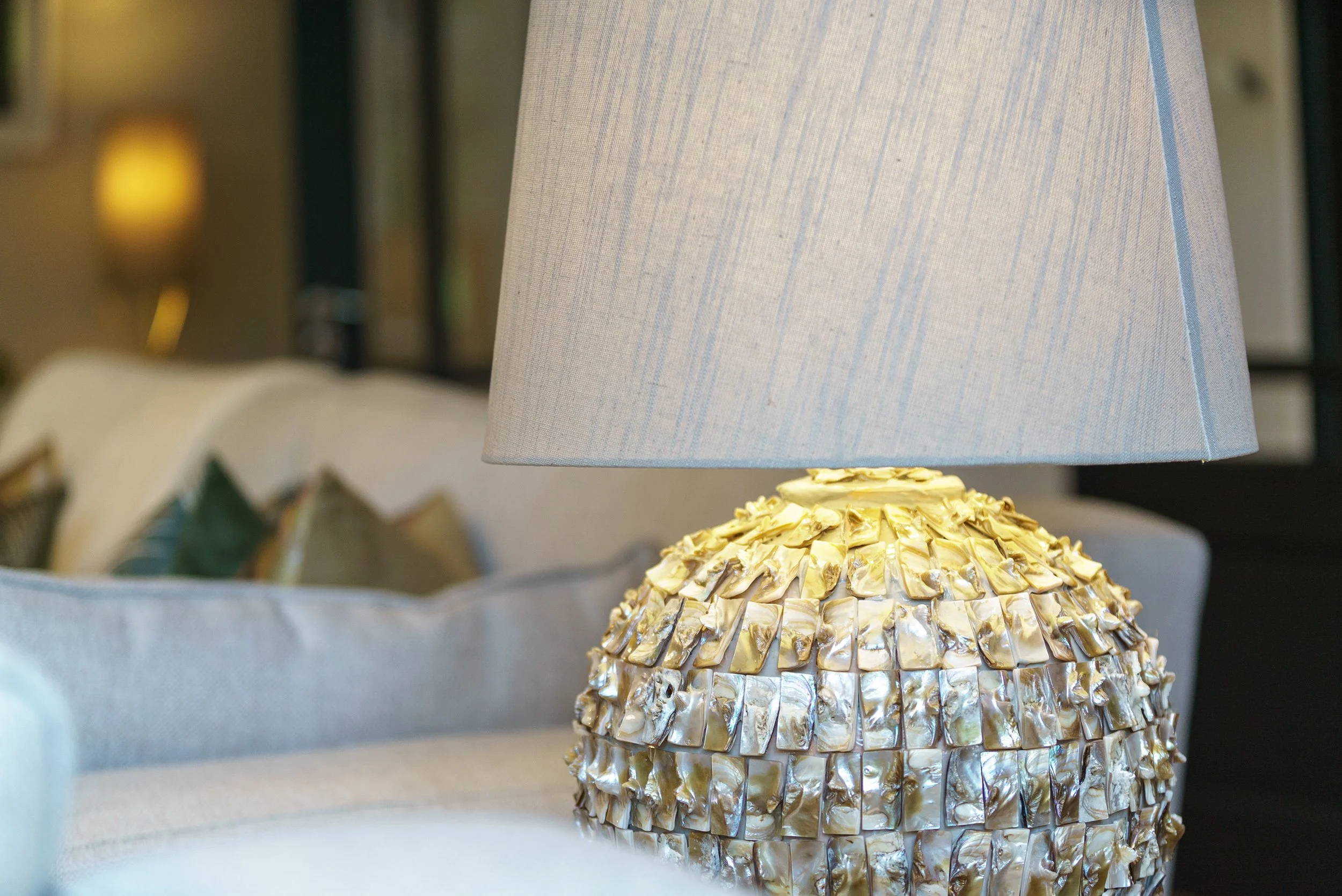
In open-plan spaces, aim for fixtures that work seamlessly together. In some rooms, your lighting might be a statement feature; in others, a subtle supporting element.
Dimmers, Bulbs, and LEDs
Dimmers are useful if you like controlling light levels — but if flicker or noise bothers you, table and floor lamps can offer the same flexibility in a quieter way.
When selecting bulbs, consider the colour temperature. Warm white (around 2700K) creates a cosy, welcoming atmosphere, while cooler tones (4000K+) feel fresh and modern.
LEDs now offer endless design possibilities. Use strips to highlight alcoves, shelving, wardrobes, or behind headboards. We love incorporating them behind curtain pelmets or along roof windows for a soft, indirect glow. And don’t forget the children’s rooms — colour-changing LEDs or fairy lights can bring a playful touch.
Don’t Forget Outdoor Lighting
Outdoor lighting deserves just as much thought. It should blend practicality and beauty — lighting paths and steps for safety, while softly illuminating garden features and outdoor seating areas for atmosphere.
Final Thoughts
A thoughtful lighting plan will elevate every corner of your home — functionally, aesthetically, and emotionally. By layering light, understanding your needs, and planning ahead, you will create spaces that truly come to life, day and night
At Placelift, we have helped countless clients design homes that feel as good as they look — and lighting is a key part of that journey. Whether you are renovating or extending your home, our design team can help you create a lighting plan that complements your lifestyle and enhances your space.
Get in touch today to start planning your perfect home lighting.
Planning a lighting design can raise a lot of questions. Here are some of the most common ones we hear from our customers when it comes to lighting:
Frequently Asked Questions
1. When should I start planning my home lighting?
Ideally, lighting should be considered at the very beginning of your renovation or build — right alongside your spatial layout and electrical planning. Early planning ensures that wiring, switches, and fixture placement align perfectly with how you’ll use each space. However, even if your project is already underway, thoughtful adjustments can still make a big difference.
2. How can I make my lighting more energy efficient?
Switching to LED bulbs is the easiest and most effective way to improve efficiency. LEDs use up to 80% less energy than traditional bulbs and last much longer. Combining LEDs with dimmers or smart controls can also help reduce energy use while allowing you to customise the mood and brightness of each room.
3. What’s the best way to create atmosphere with lighting?
Atmosphere is all about layering light. Combine ambient lighting for general illumination, task lighting for practical use, and accent lighting to highlight features or add depth. Use warm colour tones (around 2700K) and consider dimmable options or lamps to create a soft, inviting glow in the evenings.